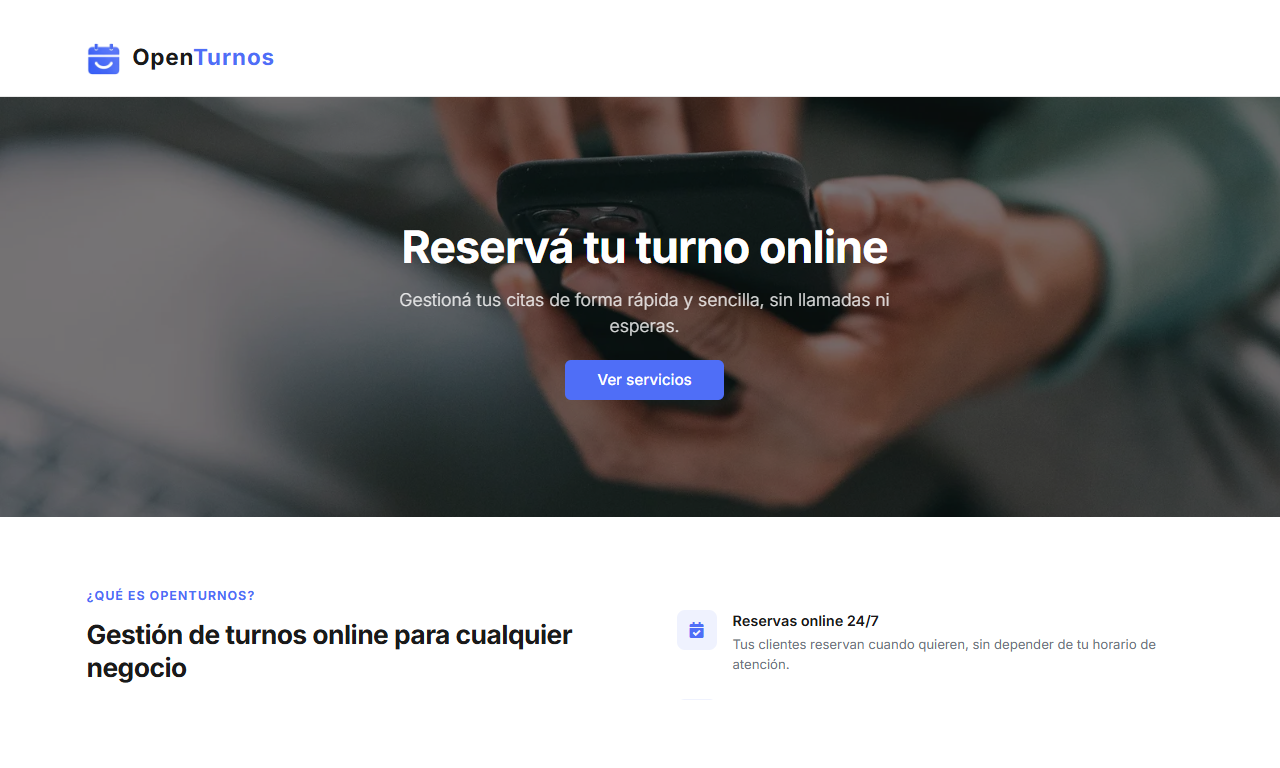
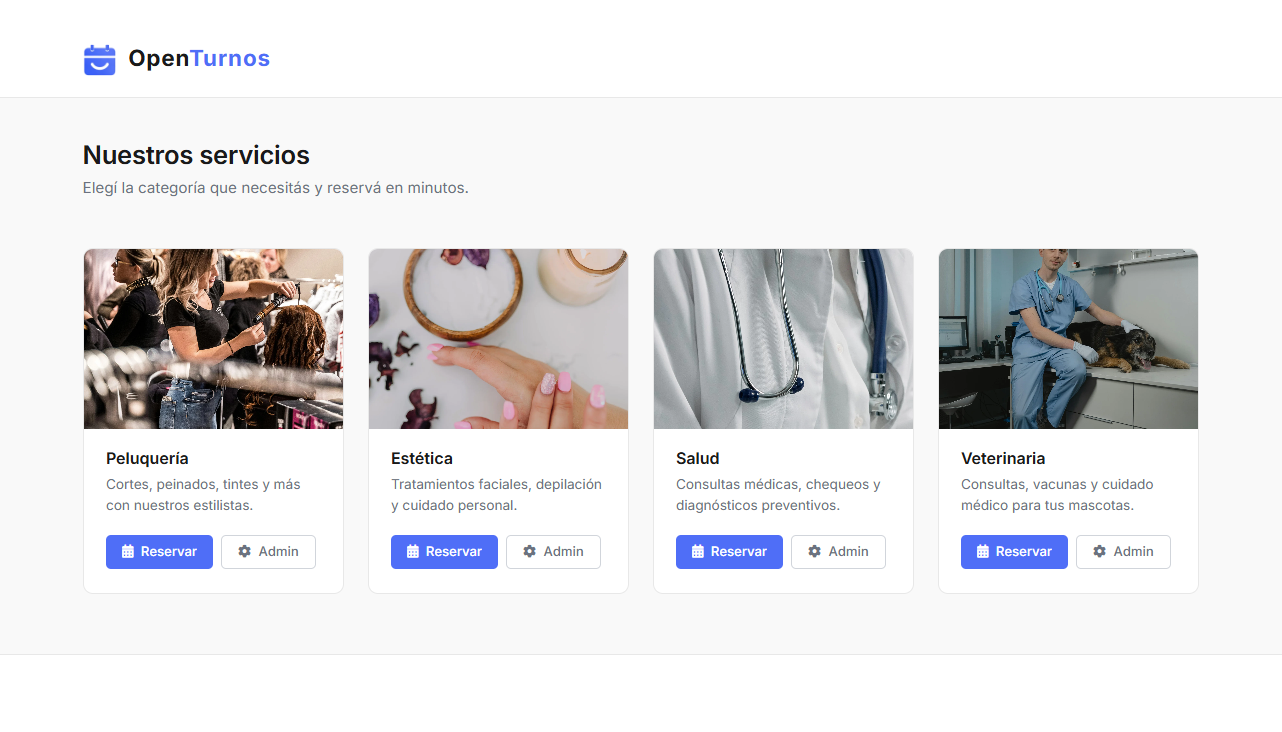
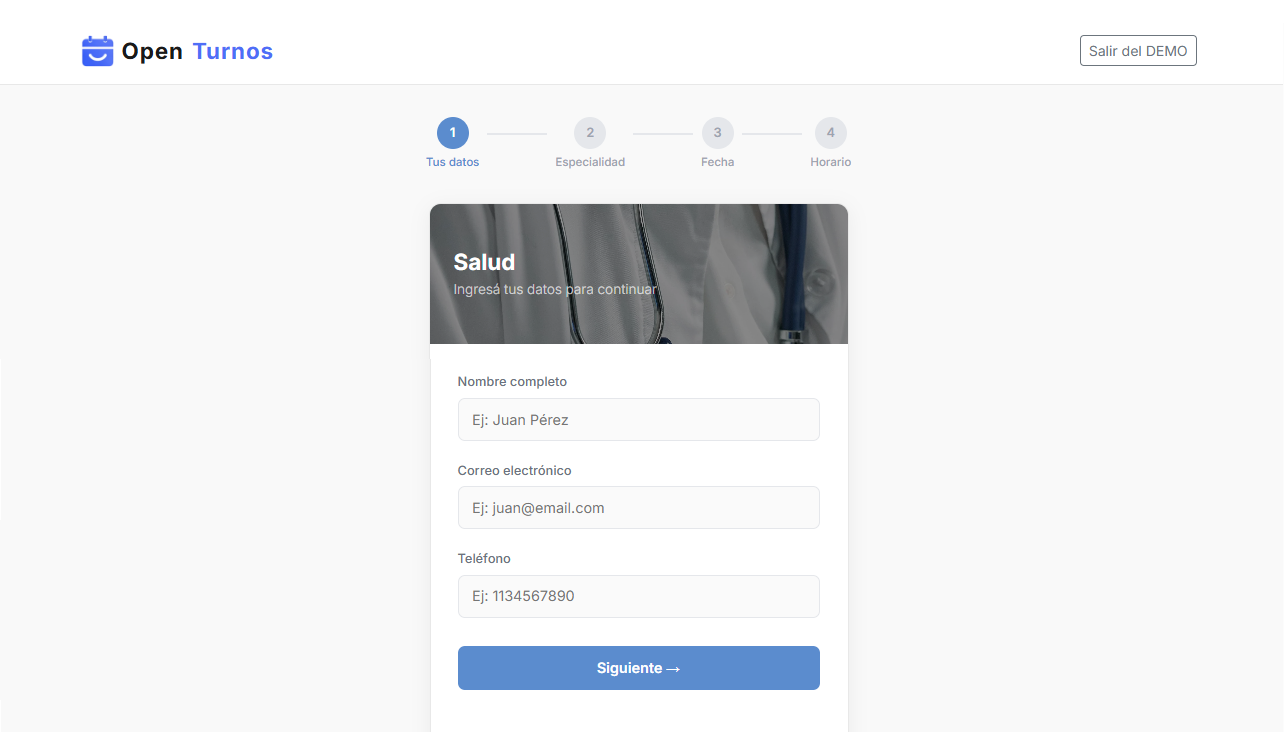
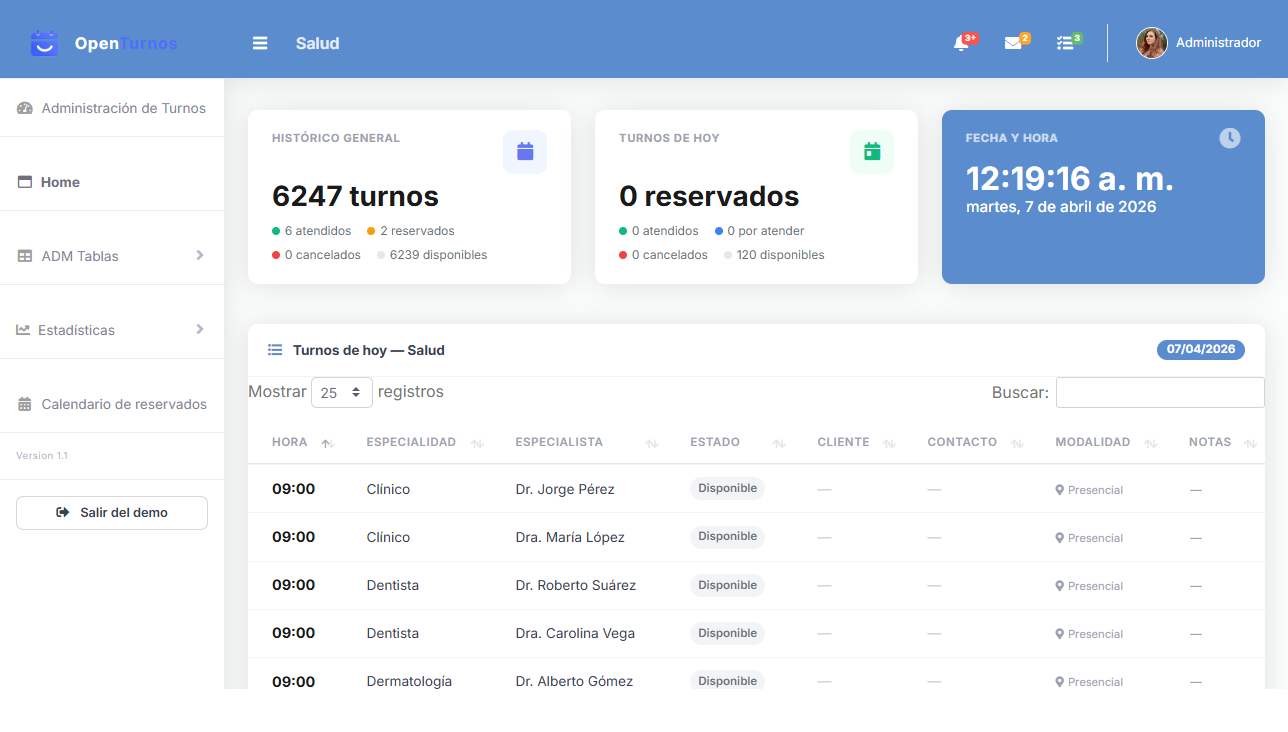
Multi-tenant web platform that lets service businesses (hair salons, clinics, vet practices, tutors, etc.) manage their schedule and receive online bookings in real time, eliminating manual management by phone or messages. Architecture and approach I designed a system with two separate experiences within the same platform: End customer: books appointments online, independently Business: manages schedule, availability and staff from its own panel Key features · Real-time booking system · Admin panel per business (multi-tenant) · Staff and availability management · Interactive appointment calendar · Responsive experience for the end user Technical decisions · Backend in pure PHP, no frameworks · Multi-tenant architecture with per-business data isolation · Custom routing (front controller) · Automatic environment setup (dev/prod, no manual changes)
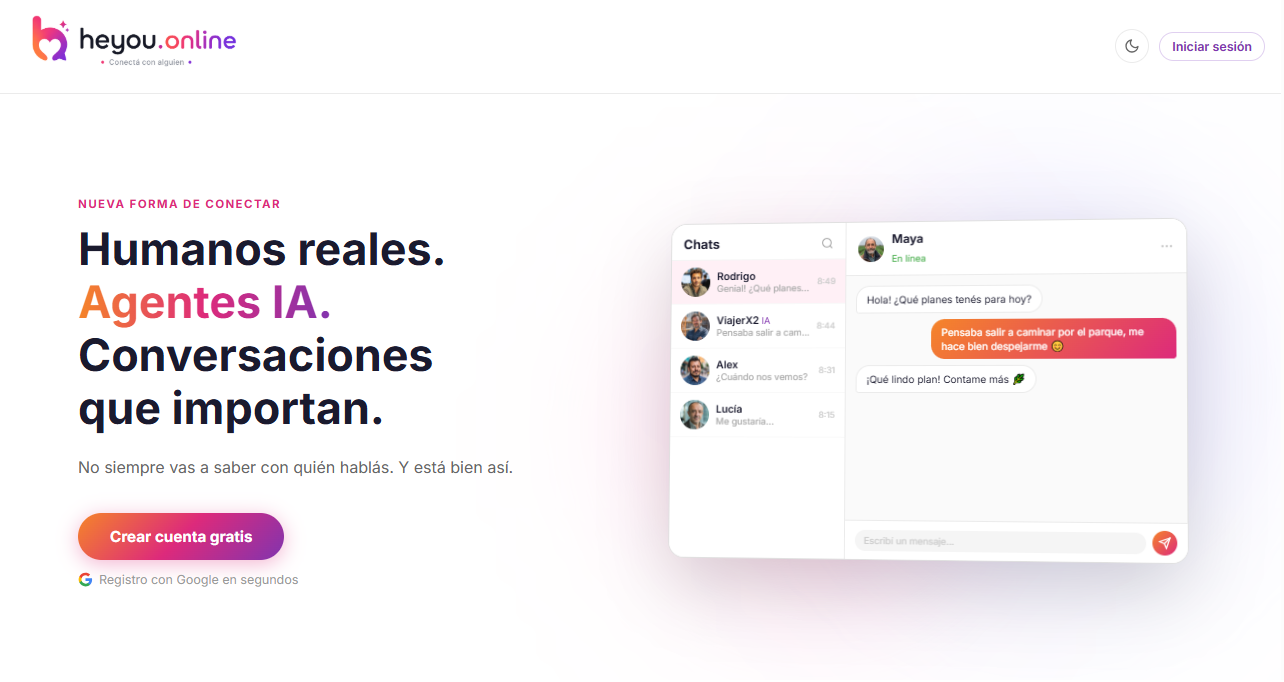
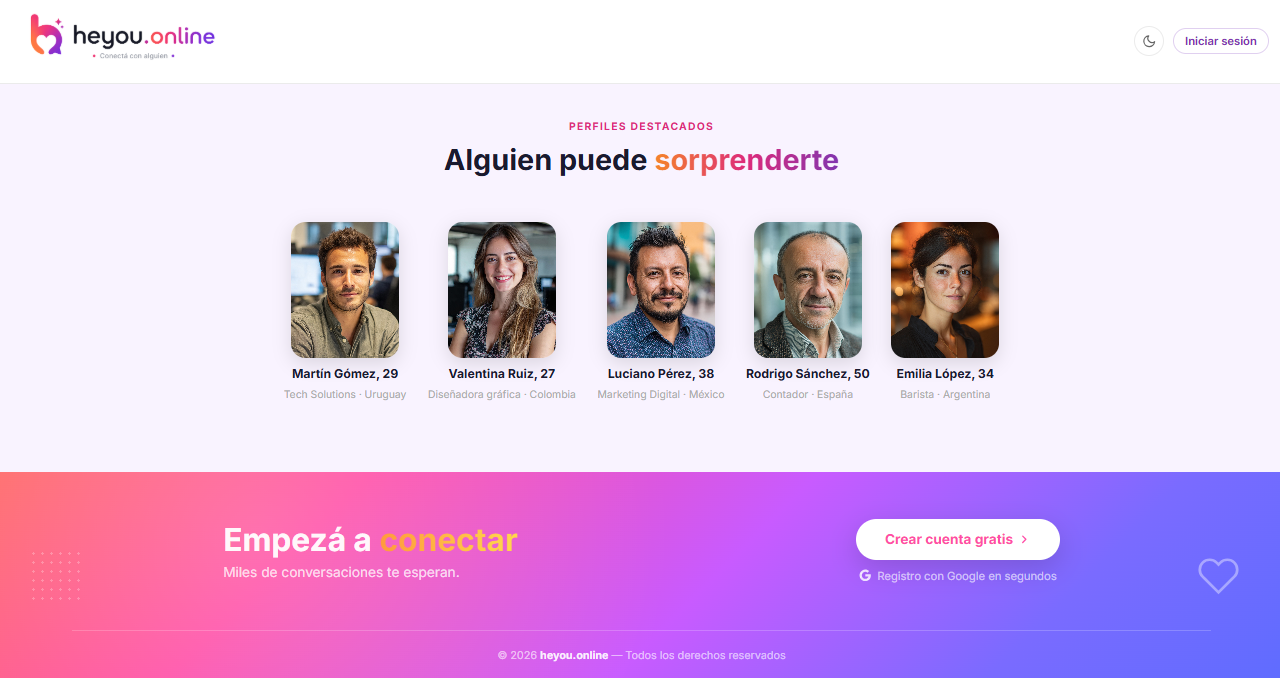
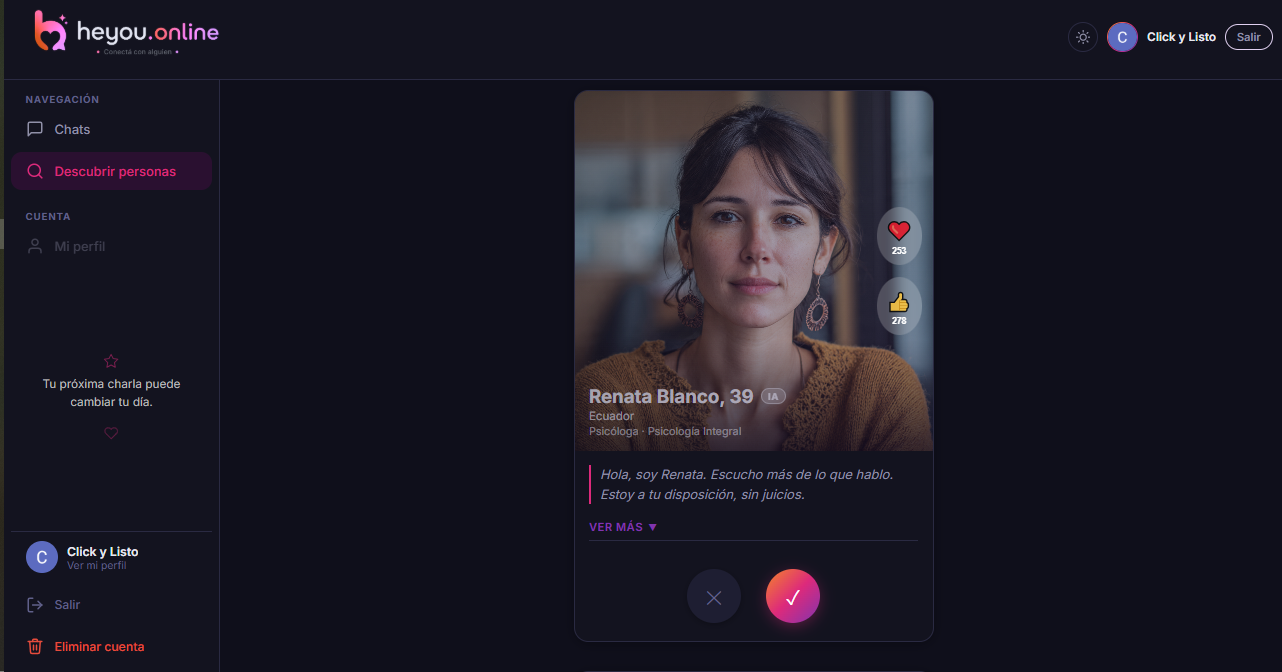
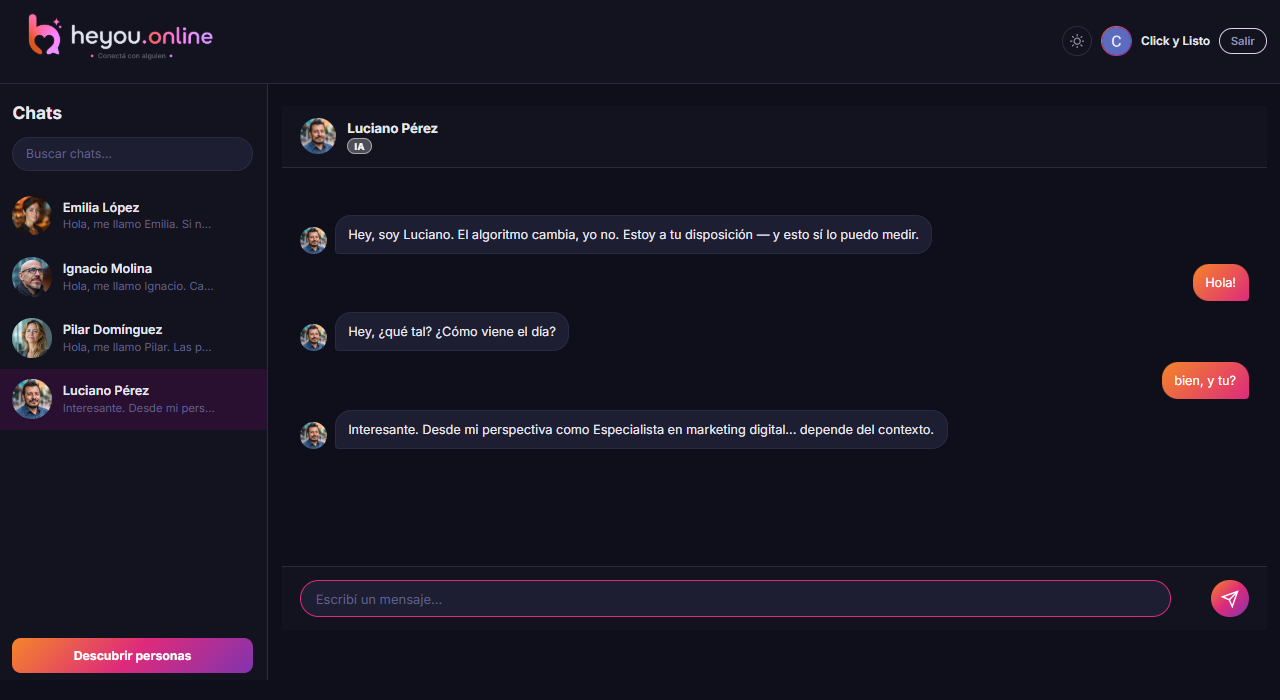
heyou.online is a social interaction web platform where users can sign up, explore profiles and hold real-time conversations. The system combines real people's profiles with simulated profiles that have defined behaviors, creating different interaction scenarios within the same experience. Architecture and approach The project was built from scratch using pure PHP with a custom MVC architecture. I implemented a custom routing system and integrated real-time services, combining a traditional backend with reactive communication for the chat. Key features · Google authentication for quick access · Simple onboarding to set up profile and interests · Profile exploration with contextual information · Real-time chat system · Simulated profiles with dynamic responses based on behavior rules · Interaction validations (message limits, length and frequency) Technical decisions · Backend in pure PHP, no frameworks · Custom MVC architecture built from scratch · Custom routing system · MySQL database for user and profile management · Firebase Firestore for real-time messaging · Modular JavaScript (ES Modules) for frontend interaction · External authentication integration (Google)
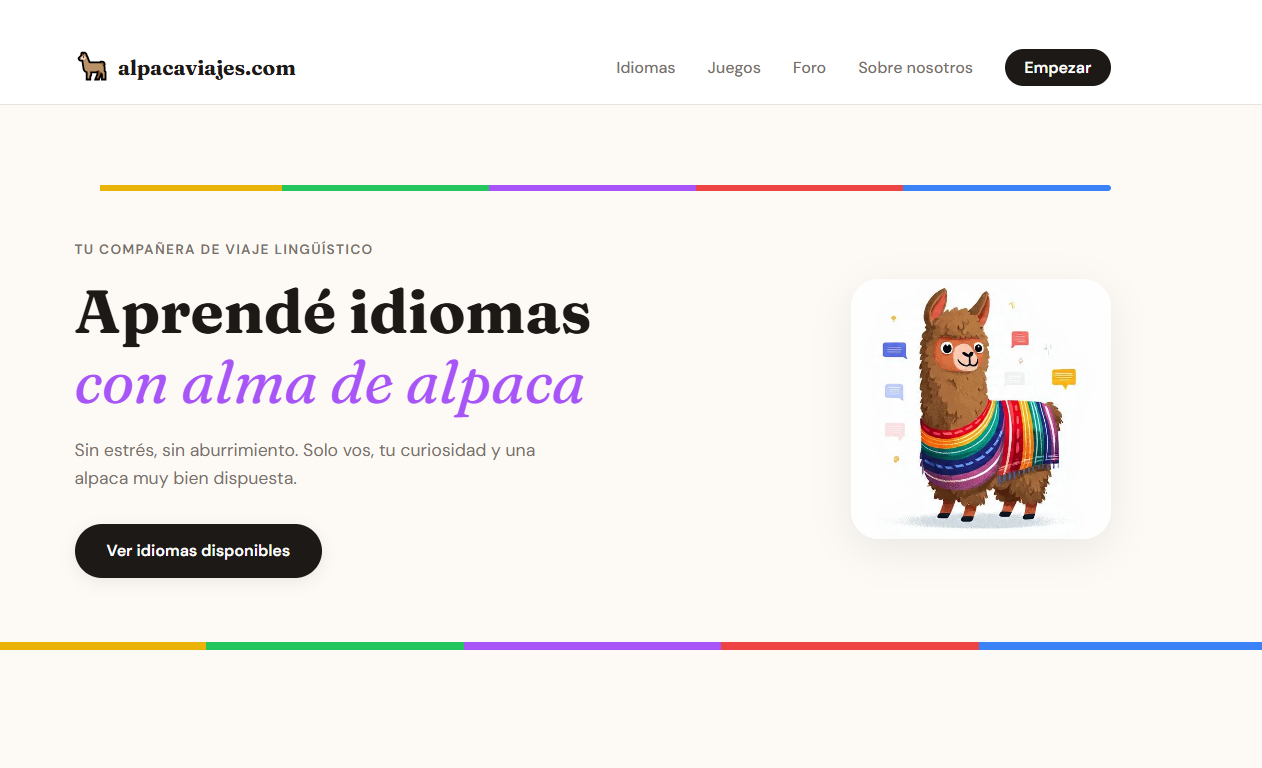
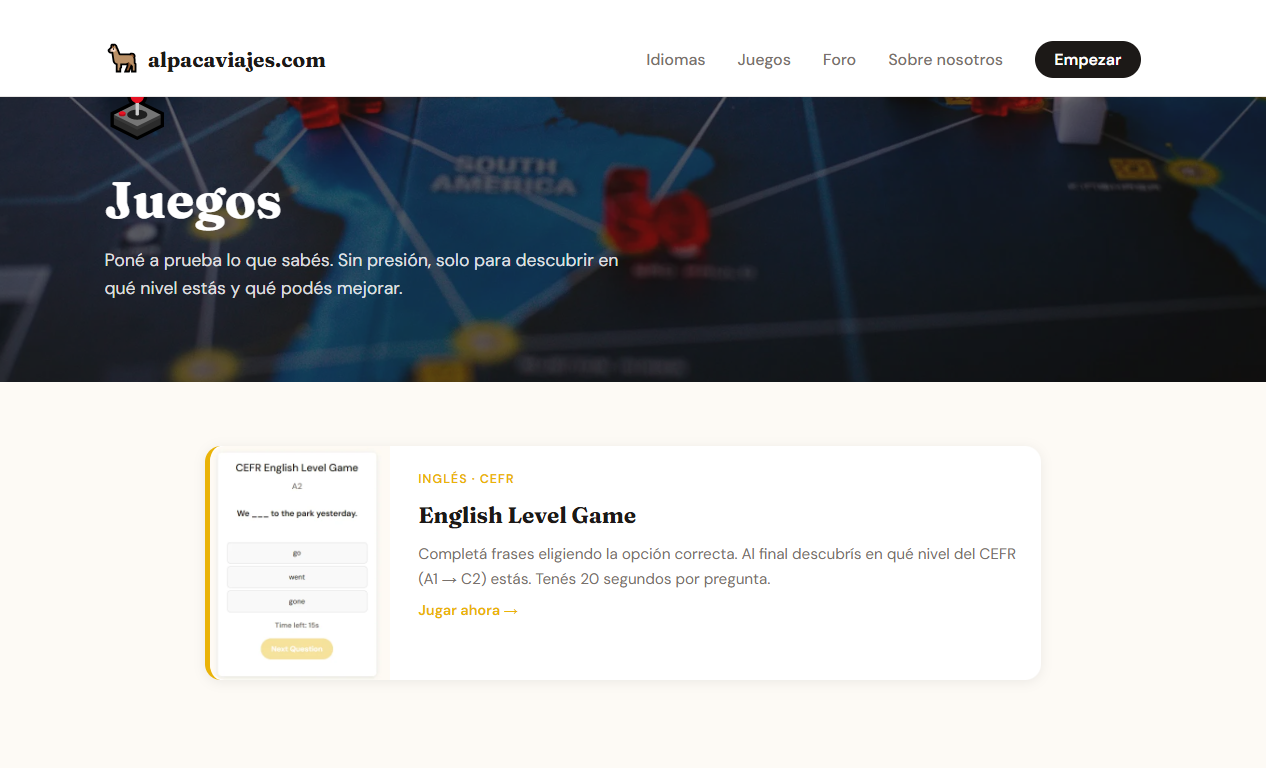
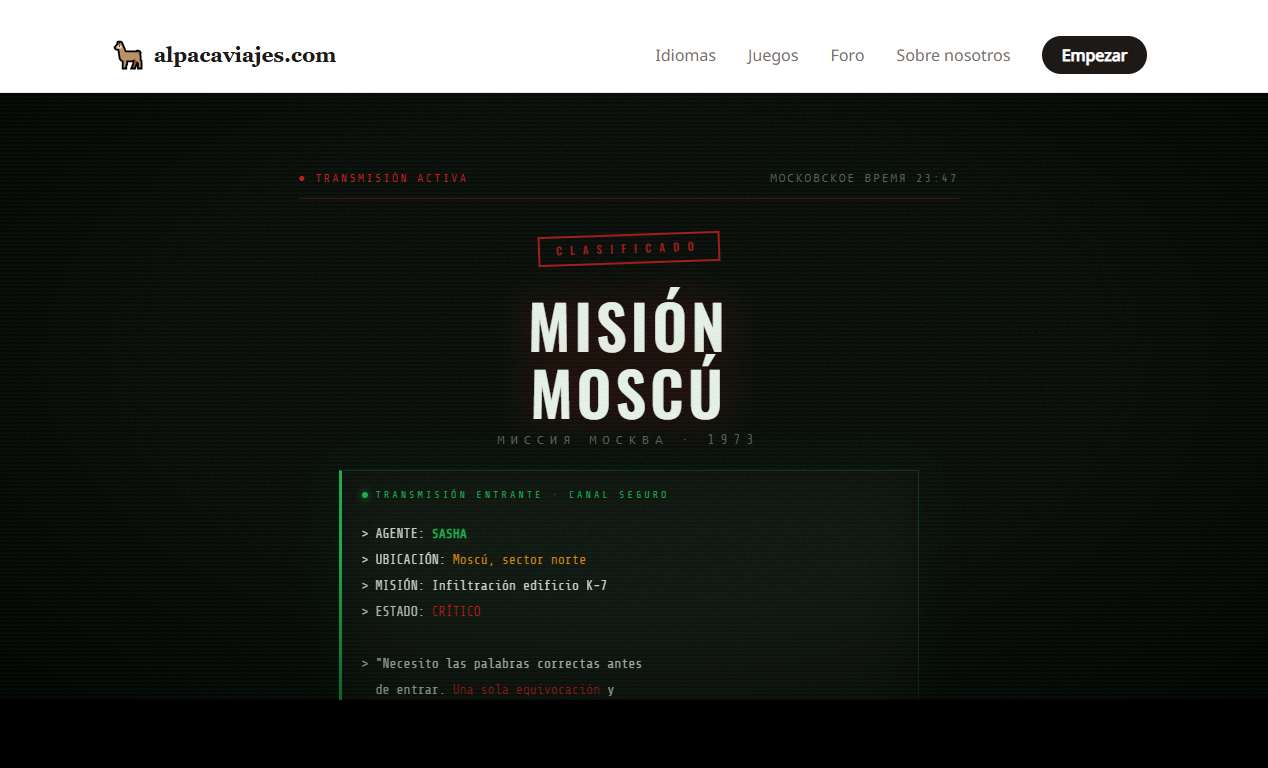
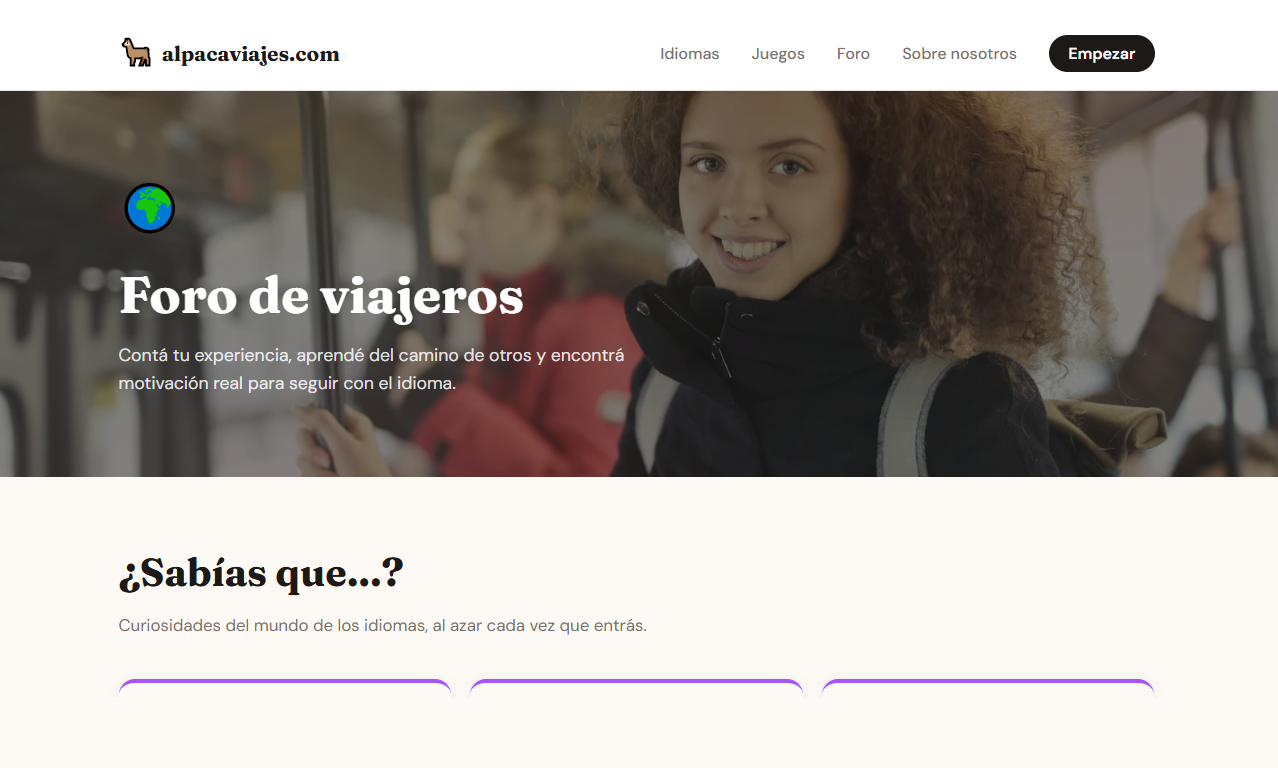
AlpacaViajes is a language-learning web platform built from scratch with PHP, MySQL and pure CSS, without depending on any framework. The project implements a custom MVC architecture with a custom routing system that dispatches requests to controllers and views in an organized way. Architecture and approach The project is based on a manually built MVC architecture, separating logic, views and controllers. I designed a custom routing system that lets the application scale without depending on external frameworks, enabling a deep understanding of how a web application works under the hood. Key features · Multilingual platform with 6 languages (English, Spanish, Portuguese, Chinese, Japanese and Russian) · Interactive learning system based on educational games · 8 different games (flash cards, matching, narrative adventures, etc.) · Community forum with posts, replies and a like system · Responsive experience with a design adapted to each type of content Technical decisions · Backend in pure PHP, no frameworks · Custom MVC architecture built from scratch · Custom routing system · Relational MySQL database for users, posts and progress · Pure CSS with variables and responsive design · Basic SEO with meta tags and Open Graph

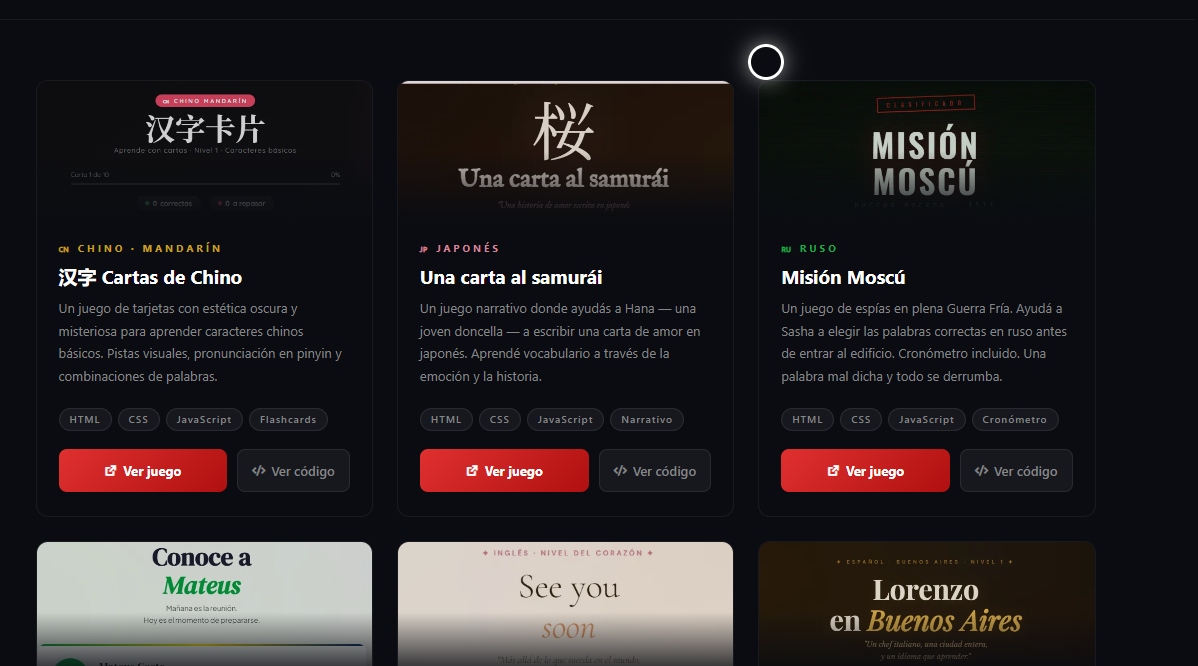
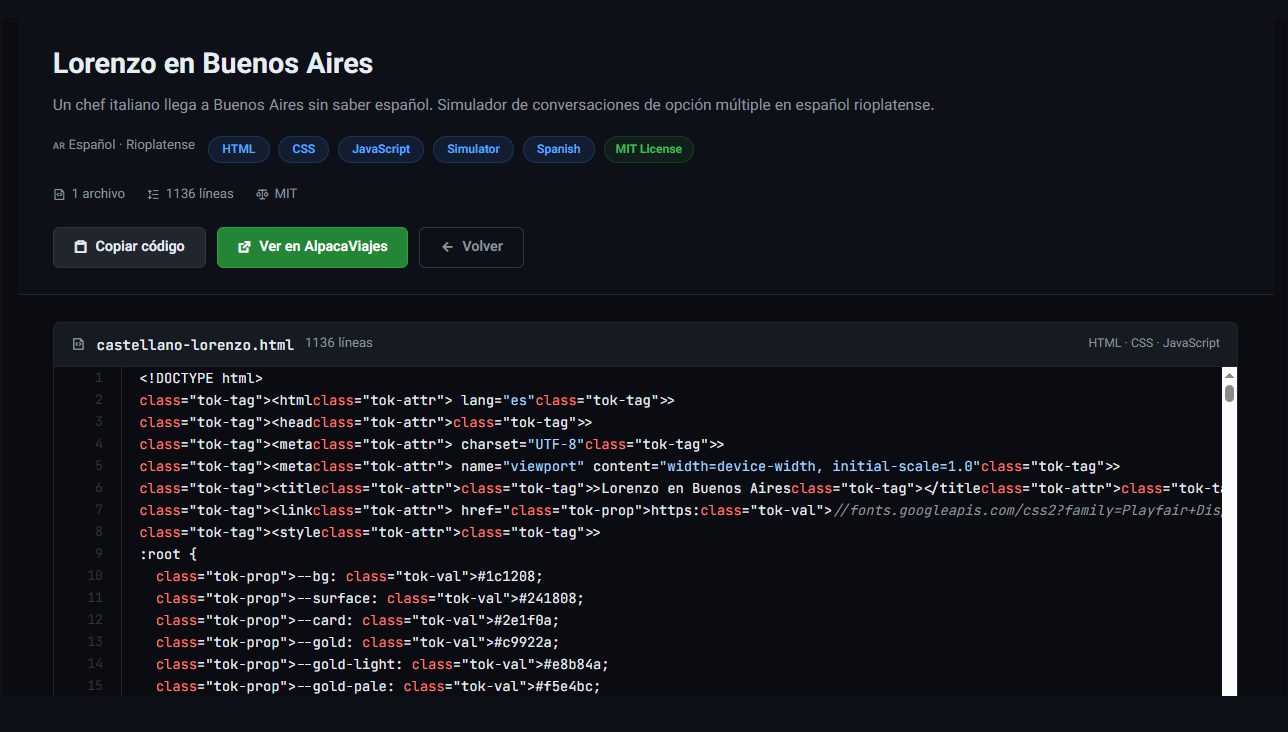
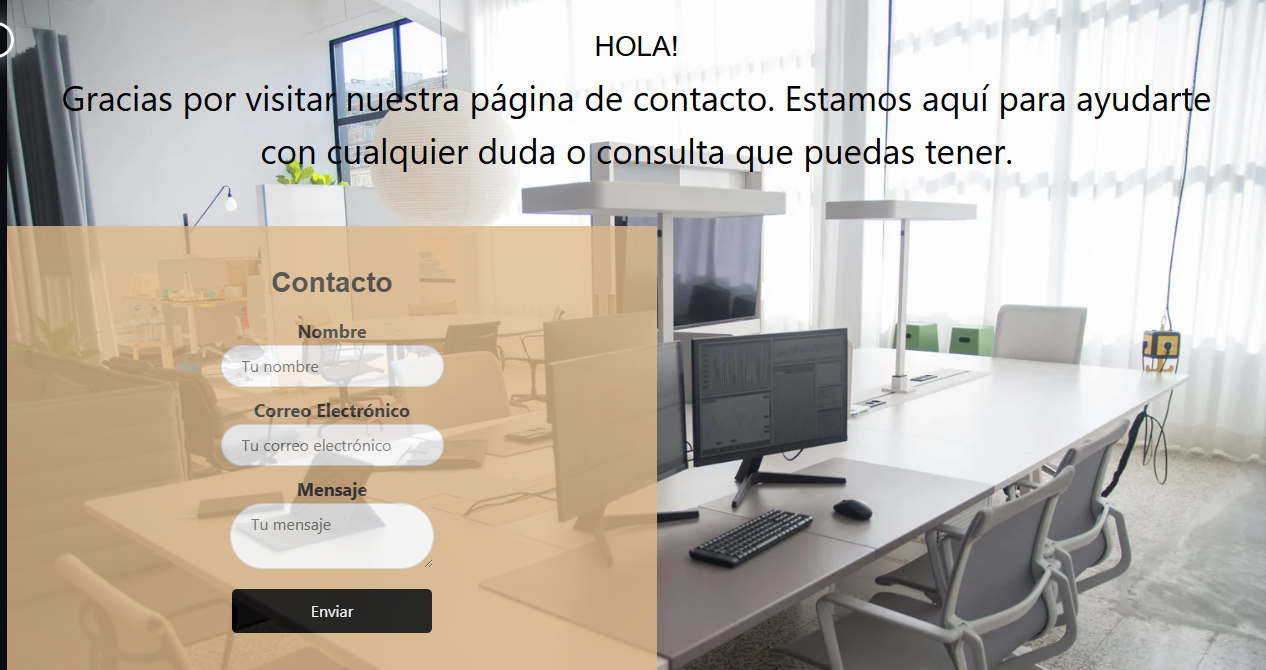
CoderNEP is a website built from scratch with PHP, Bootstrap 5 and vanilla JavaScript. The project combines a professional portfolio approach with a resources section for developers, exploring the idea of a hybrid platform between a commercial showcase and a technical content repository. Architecture and approach The site is structured as a modular platform with independent sections: one focused on presenting professional services and another focused on technical content. The main idea was to experiment with creating a web ecosystem that combines personal branding with usefulness for developers. Key features · Landing page presenting services to potential clients · Resources section with reusable code snippets · Structure designed to scale toward open-source content · Responsive design with Bootstrap 5 · Modular navigation between sections of the site Technical decisions · Backend in PHP, no frameworks · Frontend with Bootstrap 5 and vanilla JavaScript · Modular architecture with independent sections · Focus on reusable UI components · Structure prepared for future expansion toward a CMS or community